
Innovators continue to launch new technologies that foster greater support for people with disabilities. Museums and galleries aiming to offer more inclusive experiences to everyone walking through their doors or visiting their online sites should consider these five solutions.
|
1. 3D Printers3D printers can replicate art in
|
|
|
2. Real-time captionsMore museums are embracing online
|
|
|
3. Sensory-friendly apps
|
|
|
5. Audio descriptionInteractive exhibits and videos include people who are blind or have low vision when museums offer audio description. This solution involves providing audible descriptions of the visual aspects appearing in a video or event in breaks during the original audio. Extended audio description, like Verbit’s option, offers additional helpful context. |
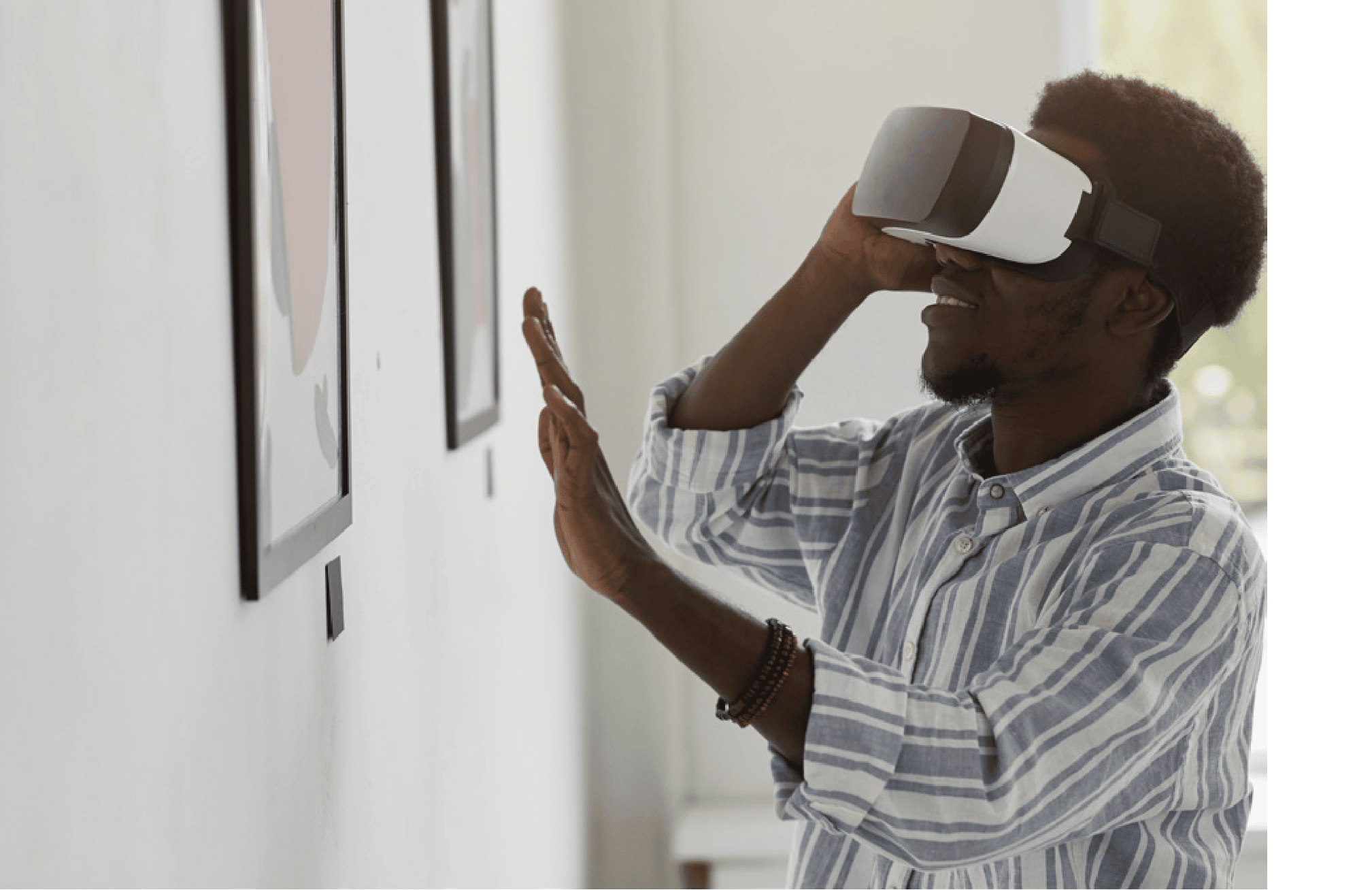
4. Smart glasses and ARAlternative reality glasses are more than a gimmick. By projecting images, videos and captions in front of the person wearing them, these glasses make for a more immersive, educational and accessible experience.3 |
|
Verbit works with the likes of the Library of Congress, MoMa and many others to help make their live events and archives more inclusive. Contact us to learn how our captioning, transcription and audio description solutions can support your cultural institution and community. |