

Municipal leaders, government agency directors, and public sector communications teams.
Key Takeaways
State and local government agencies can achieve ADA Title II digital accessibility compliance using their existing infrastructure. By integrating cloud-based software solutions, public sector organizations can meet upcoming web and video mandates without purchasing expensive new hardware.
AT A GLANCE
- Demonstrates how cloud software enables compliance without hardware upgrades.
- Highlights tools for streamlining video captioning and document accessibility.
- Explains how agencies can meet federal standards using existing digital workflows.
WHO SHOULD READ THIS
Estimated Reading Time
3 min read
Two assumptions kept coming up in conversations with government agencies this month, and both were wrong. One agency assumed adding live captions to their public meeting livestream meant buying a new encoder. Another treated their ADA Title II compliance deadline as far enough away that it wasn’t worth planning for yet. Neither is true, and both assumptions are exactly the kind that leave agencies scrambling months before a deadline that, on paper, looked like it was years out.
Verbit works with municipal and county governments, state legislative bodies, school boards, courts, and federal agencies on exactly this, helping them navigate ADA Title II requirements without unnecessary equipment purchases or last-minute panic. This month alone that’s included a district streaming public board meetings, a county court system moving off a legal transcription tool with real gaps, and a city working through board approval for a captioning contract. The patterns are consistent enough to be worth writing down.
Myth: You Need New Streaming Hardware to Add Compliant Captions
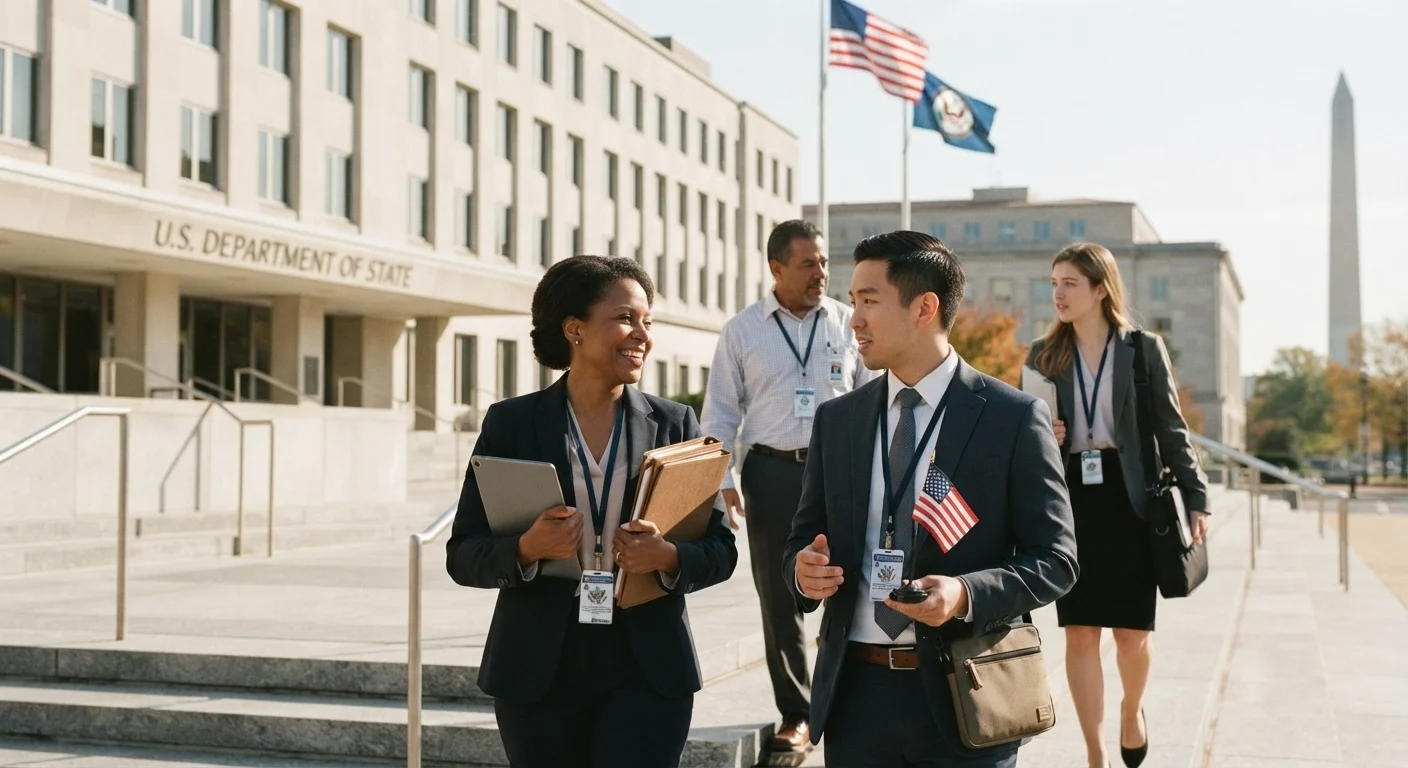
This came up directly in a recent conversation with a district that livestreams its public board meetings on YouTube. They were bracing to buy new encoding hardware just to get compliant captions running, and were relieved to learn they could keep their existing OBS setup.
That’s not a coincidence, it’s how Civic Complete, Verbit’s platform built specifically around ADA Title II compliance, is designed to work. It integrates with the broadcast and streaming systems agencies already use, so there’s no need to replace an existing setup to add compliant captions. In practice, that means captions get embedded directly into an agency’s existing RTMP or SRT stream using the CEA-608 standard, rather than requiring a separate device bolted onto the workflow. Verbit’s integration work with Wowza, for one, covers exactly this: streaming and accessibility working as one coordinated system instead of two, which is also what avoids the caption delay and sync drift that tend to show up when captioning is added as an afterthought.
If your agency is budgeting for new hardware as part of a captioning or accessibility project, it’s worth confirming that assumption before it becomes a line item. For a lot of agencies working toward ADA Title II compliance, the actual gap isn’t equipment, it’s a captioning and transcription workflow layered onto the streaming setup they already have. Our Civic Complete solution offers one simple method to help you meet these needs at scale.
Myth: The 2027/2028 Deadline for ADA Title II Compliance Means You Have Time
The Department of Justice’s ADA Title II rule sets two deadlines: April 26, 2027 for agencies serving 50,000 or more residents, and April 26, 2028 for smaller entities and special districts, both pushed back a year by an extension issued in April 2026. That extension is where the second myth comes from. One agency in a recent conversation treated the extra year as a reason to wait before doing anything.
The extension changed the date, not the requirement. Agencies that treat it as a reason to postpone planning are taking on real legal risk, since the underlying obligation to meet WCAG 2.1 Level AA for public meetings, recorded content, and time-based media didn’t move. There’s also a narrower point worth knowing if your agency is counting on it: older content isn’t automatically exempt just because it’s archived. The archiving exception only applies when content meets all four conditions at once, created before the deadline, stored strictly for reference, placed in a designated archive, and never modified since. A single edit or an unclear storage location can pull a video back into scope under ADA Title II.
The agencies moving fastest on this aren’t necessarily the largest ones, they’re the ones that stopped treating the deadline as someone else’s problem. A county court system in a recent conversation moved straight to a trial once the practical gaps in their current setup, no speaker identification, hardware requirements, limited usage hours, were laid out clearly. Waiting for the deadline to feel urgent tends to mean starting the vendor evaluation, procurement, and IT review process at the same time everyone else does.
What ADA Title II Actually Requires for Public Meetings
Once the equipment and timeline assumptions are cleared up, what’s left is a fairly concrete list: live captions for meeting broadcasts, held to a 99%+ accuracy standard, post-production captions for recorded content, audio description for anything that conveys information visually, searchable transcripts that can double as the official meeting record, and multilingual access for non-English-speaking residents. All of it needs to meet WCAG 2.1 Level AA, the same technical standard referenced throughout the DOJ’s rule.
A useful way to work through it, rather than trying to fix everything at once, is in four phases: assess what digital content exists and where the gaps are, prioritize by what gets the most public use, execute the remediation, and monitor going forward as new content gets published. For agencies that need to move through procurement quickly, it’s also worth knowing Verbit’s services are available through the GSA Schedule as Section 508 and GSA-compliant transcripts, captions, and audio descriptions, which for a lot of agencies is the difference between a multi-month RFP and a much shorter path to actually getting compliant. Meeting government ADA compliance standards doesn’t mean starting from scratch, it means building accessibility into the workflows and systems you already run.
How Verbit is Already Helping Government Agencies Meet ADA Title II Compliance
None of this is theoretical. Right now, Verbit is working with districts on livestreamed public meetings, county court systems on certified transcripts, and speaker identification across proceedings. We’re guiding cities and counties working through their own board and budget approval processes to get captioning and compliance under contract before their ADA Title II compliance deadlines arrive. If your agency is still assuming new equipment or a distant deadline means there’s time to wait, that’s worth a second look.
If you manage ADA Title II compliance for a government agency, we can show you what a captioning and accessibility setup looks like on top of what you already run (hint: it’s not complicated at all). Book a demo with our government team, and we’ll walk through it together.
FAQs on ADA Title II Compliance for Government Agencies
What is Title II and how does it apply to government agencies?
Title II of the Americans with Disabilities Act covers public services provided by state and local government entities. It requires that all programs, services, and activities, including digital content like public meeting livestreams and recorded videos, be accessible to people with disabilities.
What is the ADA Title II deadline for our agency?
April 26, 2027 for agencies serving 50,000 or more residents, and April 26, 2028 for smaller entities and special districts. Both dates reflect a one-year extension issued in April 2026; the underlying WCAG 2.1 Level AA requirement did not change. Learn more about the deadlines here.
Do we need new equipment or an encoder to add compliant captions to our public meeting livestream?
Usually not. Solutions built to integrate with existing broadcast and streaming infrastructure can embed captions directly into a stream you’re already running, rather than requiring new hardware.
What does the 2027/2028 extension mean for government agencies in terms of planning?
The extension moved the deadline, not the requirement. Agencies that treat the extra time as a reason to delay planning are taking on real legal risk once the date arrives. While the right vendor should be able to be easily implemented and integrated into your current systems and workflows, the consideration process and approval process internally often takes time. Consider closing a vendor or partner now who can begin tackling your ADA Title II needs at scale well before the deadline hits.
Is older, archived video content automatically exempt from ADA Title II?
Only if it meets all four conditions at once: it was created before the compliance deadline, is stored strictly for reference, sits in a designated archive, and has never been modified since. A single edit or unclear storage can bring it back into scope.
Can government agencies purchase ADA Title II compliance services without a lengthy RFP process?
Some vendors are available through the GSA Schedule, which can shorten the procurement path considerably compared to a full RFP cycle, worth asking about directly when evaluating options for government ADA compliance.
Does ADA Title II apply to audio description, not just captions?
Yes. Anything that conveys information visually, charts, slides, demonstrations shown during a meeting or in recorded content, needs an accessible alternative for residents who are blind or have low vision, alongside captioning for audio content. Learn more about audio description like Verbit’s here.
What are the core ADA Title II requirements for live public meetings?
Live captions with 99%+ accuracy, post-production captions for recorded content, audio descriptions for visual information, searchable transcripts that can serve as official meeting records, and multilingual access for non-English-speaking residents, all held to the WCAG 2.1 Level AA standard.